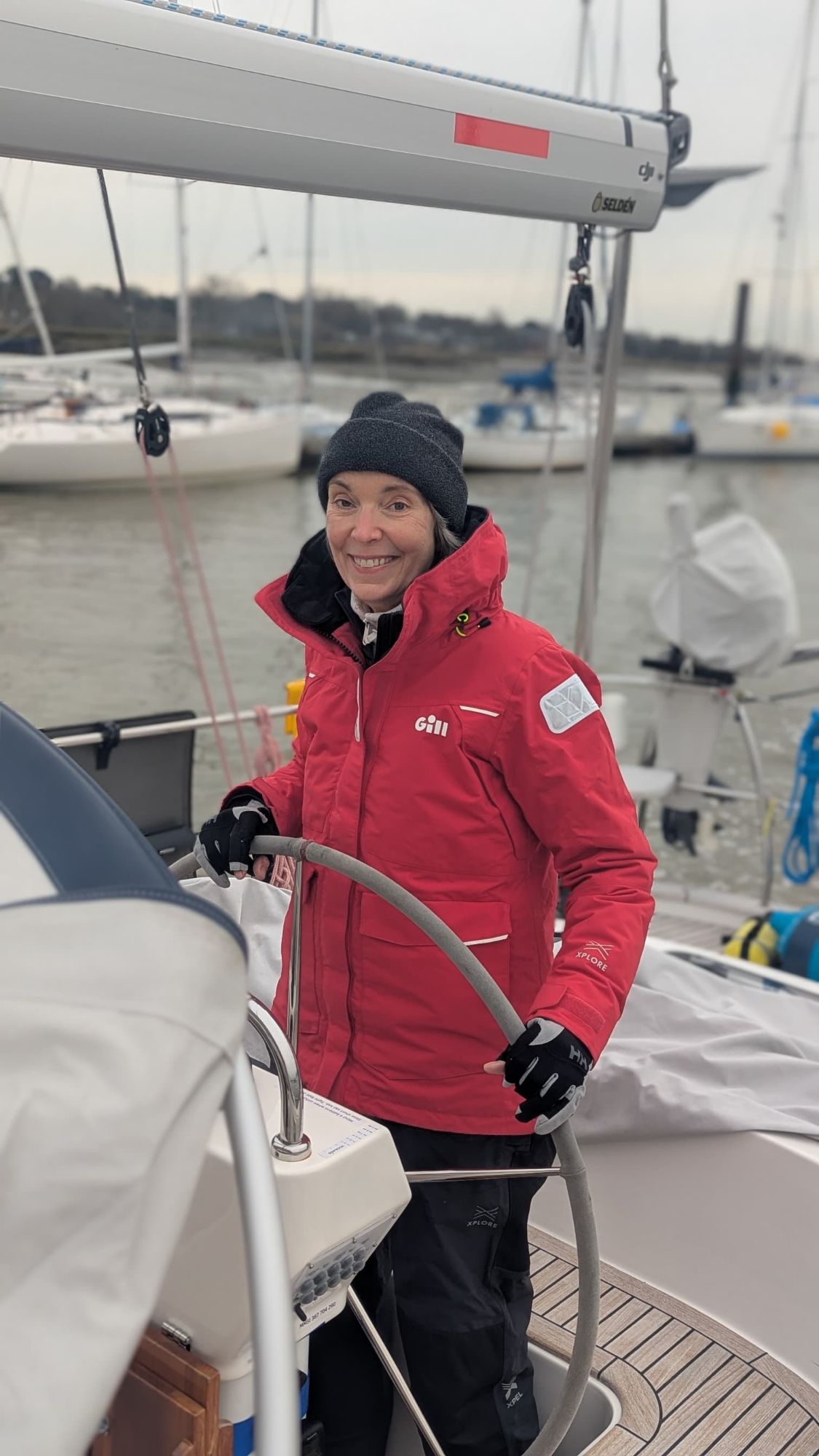
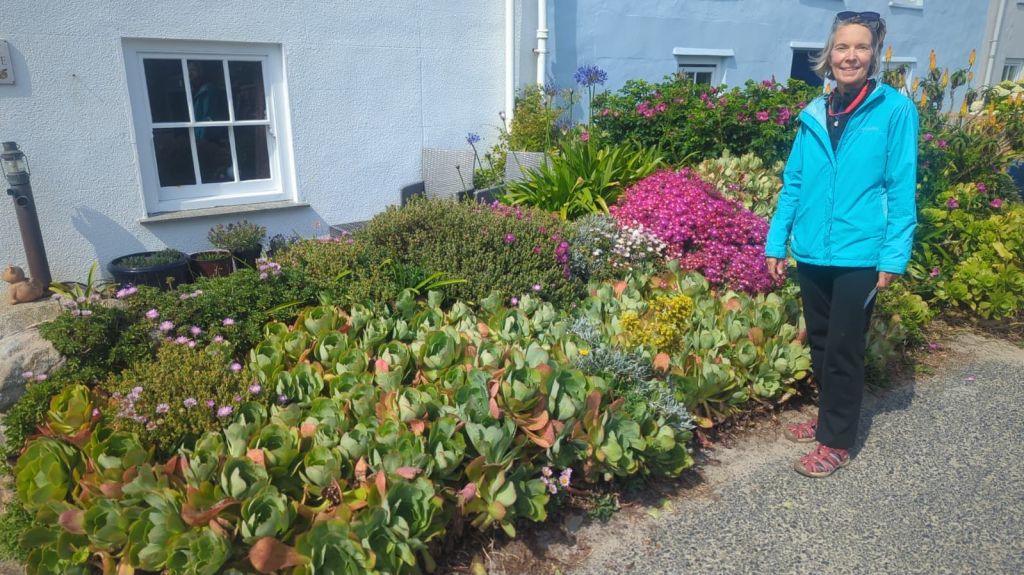
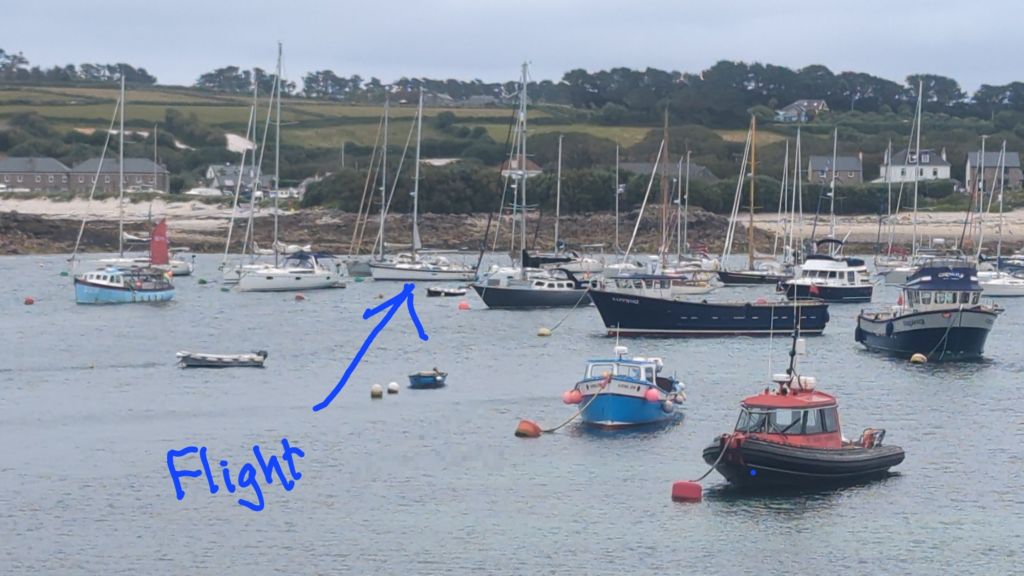
We have spent the last four days enjoying the Isles of Scilly which lie about 25 miles west of Lands End, the western most tip of mainland Britain. The morning that we arrived was clear with sunshine and blue skies and we chained Flight up to one of the few remaining available mooring balls in St. Mary’s Pool Harbor in Hugh Town. After sailing overnight, one of our first tasks was to take a nap. That afternoon, we launched the dinghy and went ashore to see the sights. I was really impressed by the flowers. The mild maritime climate and frequent rain on the islands make the plantings lush and the flowers last a long time. I don’t think that they ever have temperatures below freezing although it does get chilly and damp during the winter.
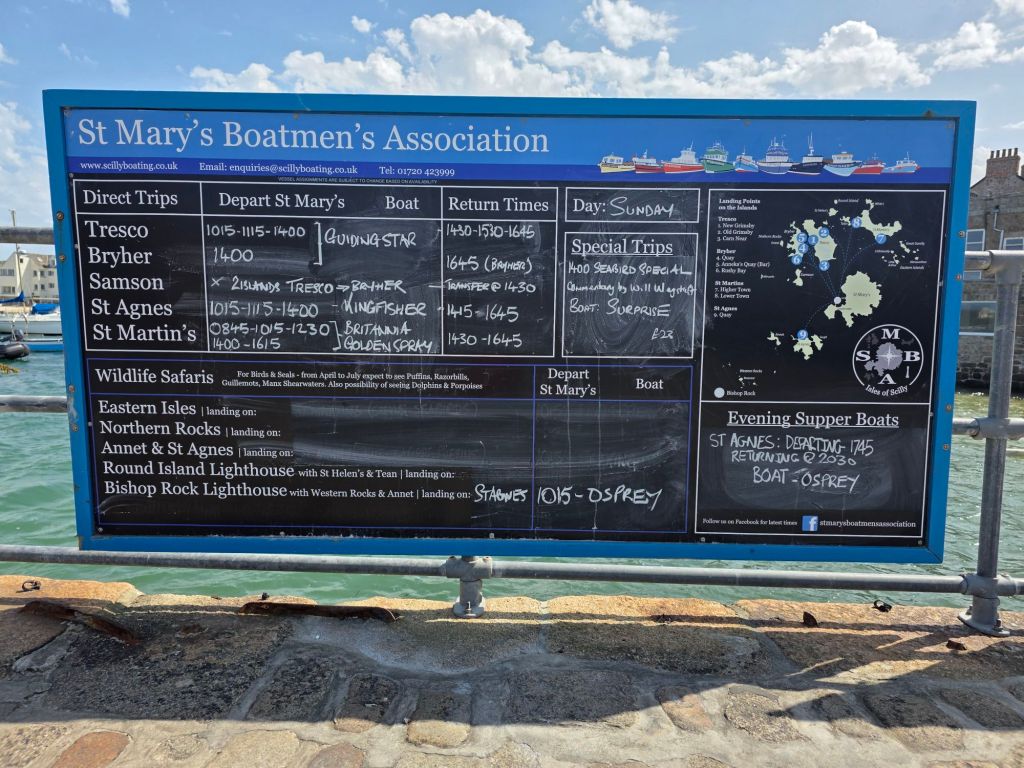
One of the best ways to see the islands is to take a ferry which are run by the St. Mary’s Boatmen’s Association. Each boat is independently owned and the captains are paid by the numbers of passengers. The blackboard on the quay lists the day’s trips and if one boat is full, they simply call up another one.
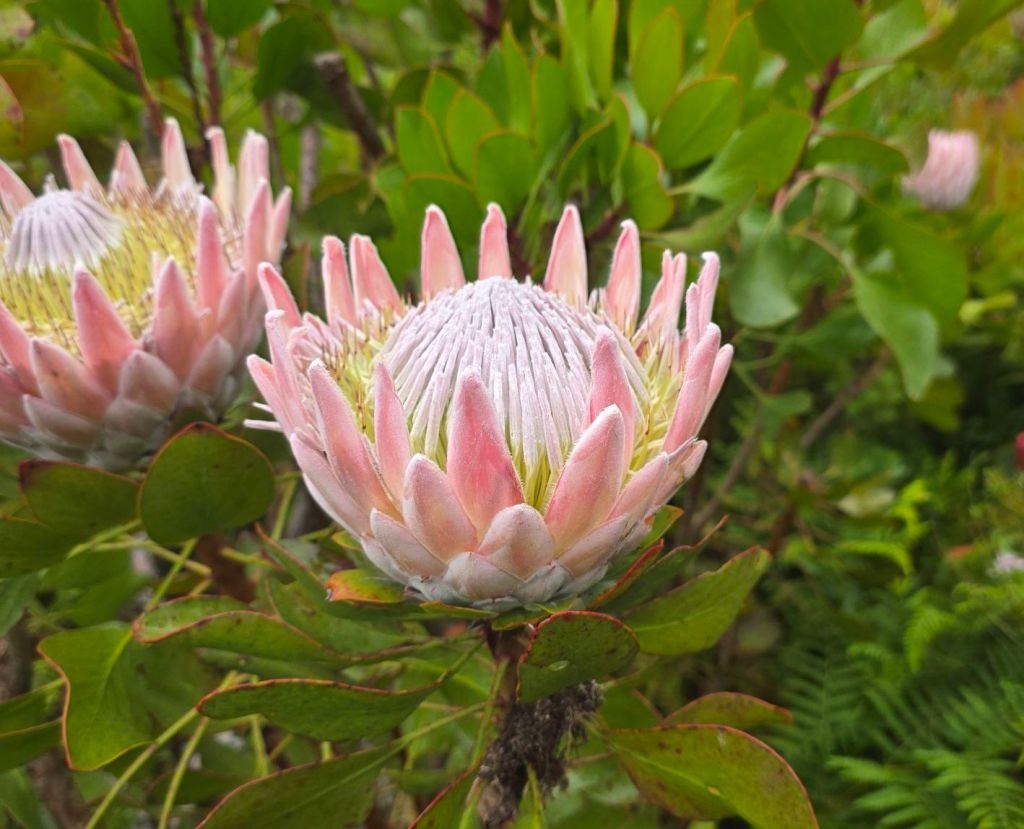
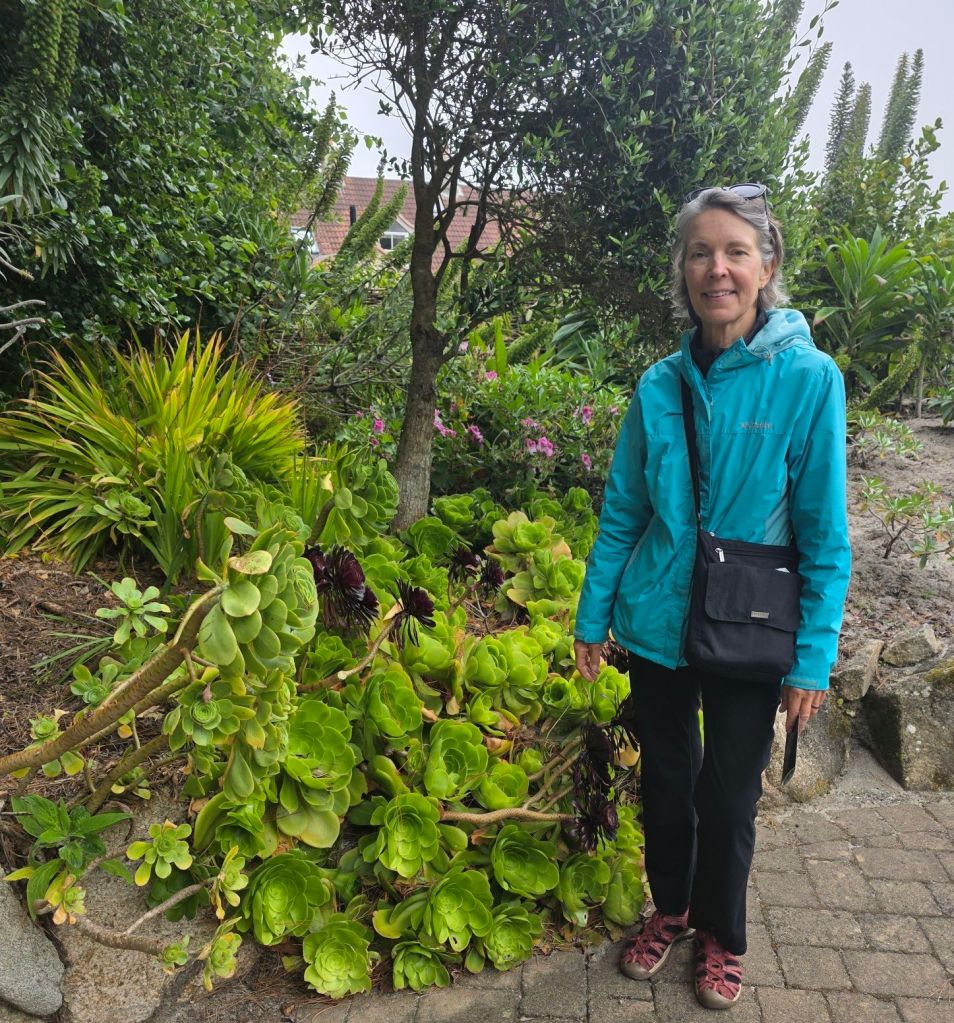
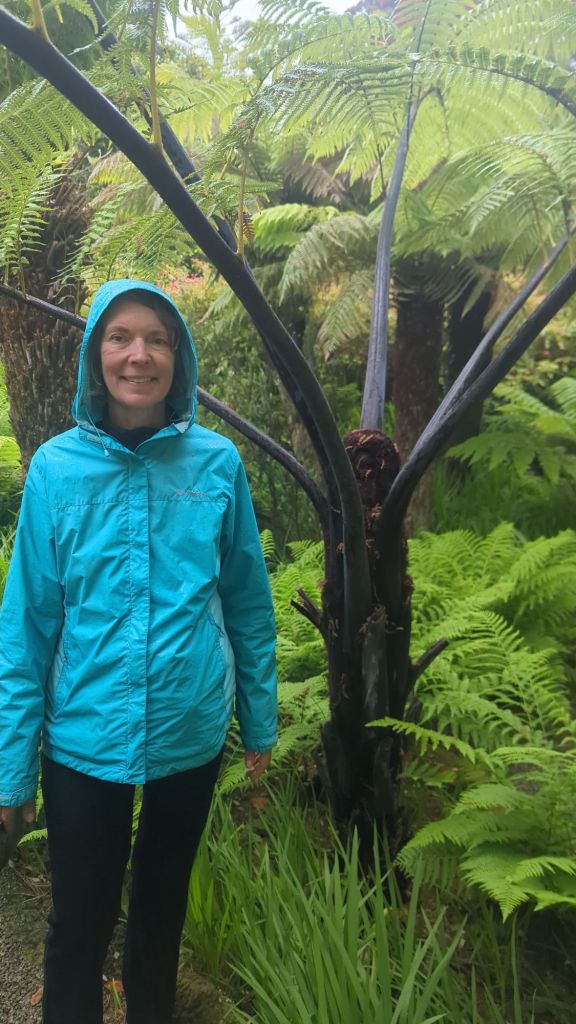
The coastline is rocky and good harbors are limited. We were advised by several other cruisers to leave our boat on it’s mooring and take the ferry. We hopped a boat and went to the Island of Tresco to see the Abbey Garden. The garden was started in 1834 on the site of the 12th century St. Nicholas Priory and is full of 2,500 species of plants from Mediterranean climates around the globe. There were palm trees, shrubs and lovely flowers from all over the world. There were also sculptures and works of art interspersed among the plantings.
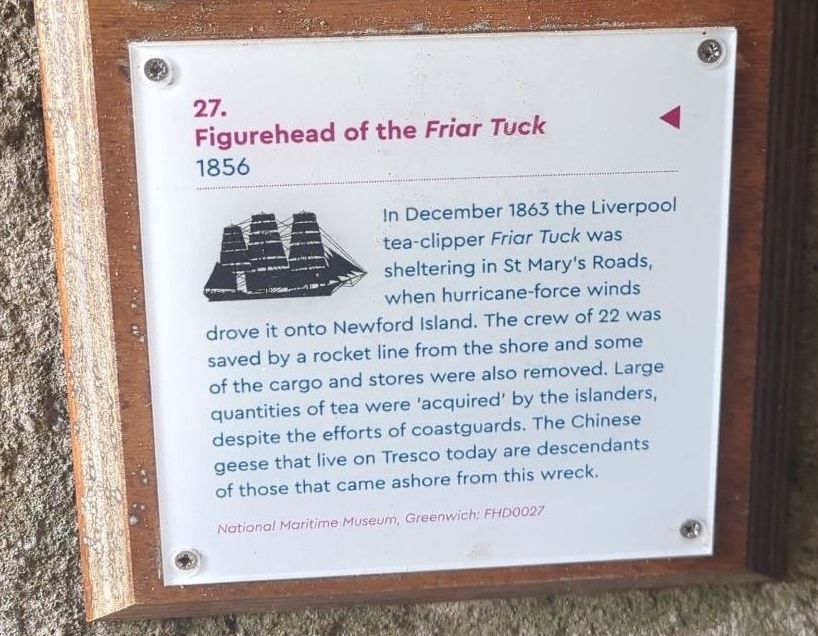
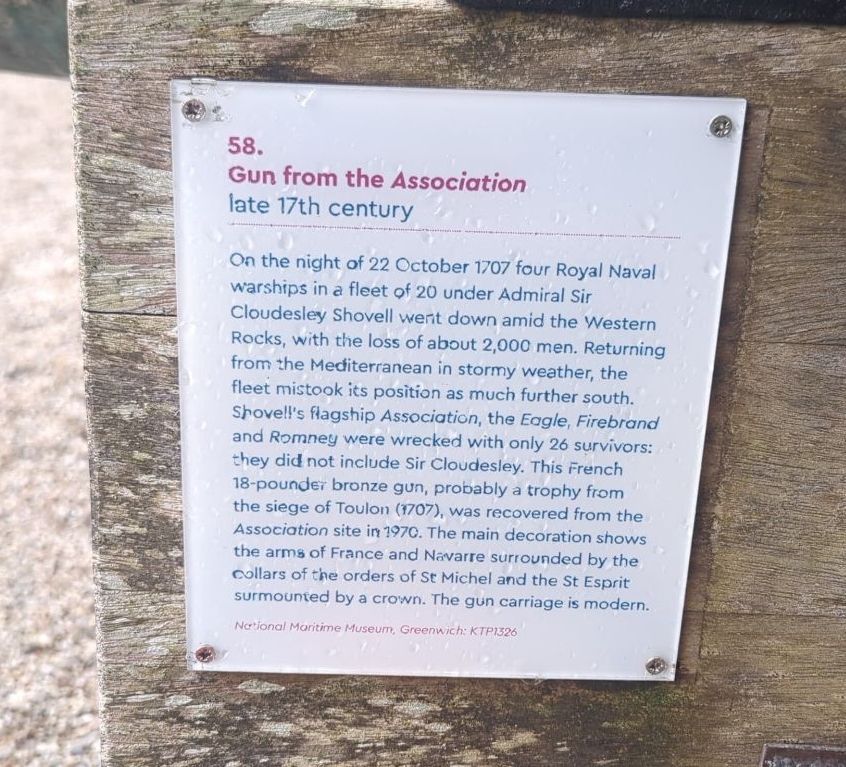
A very interesting and unexpected collection at Tresco Garden was the Valhalla Figurehead Museum. The figureheads from many of the wooden ships that wrecked on the rocks of the Scillys are found in the museum which is part of the National Maritime Collection. Each figurehead was accompanied by a plaque describing the shipwreck – route, cargo, circumstances and number of passengers/crew and survivors.
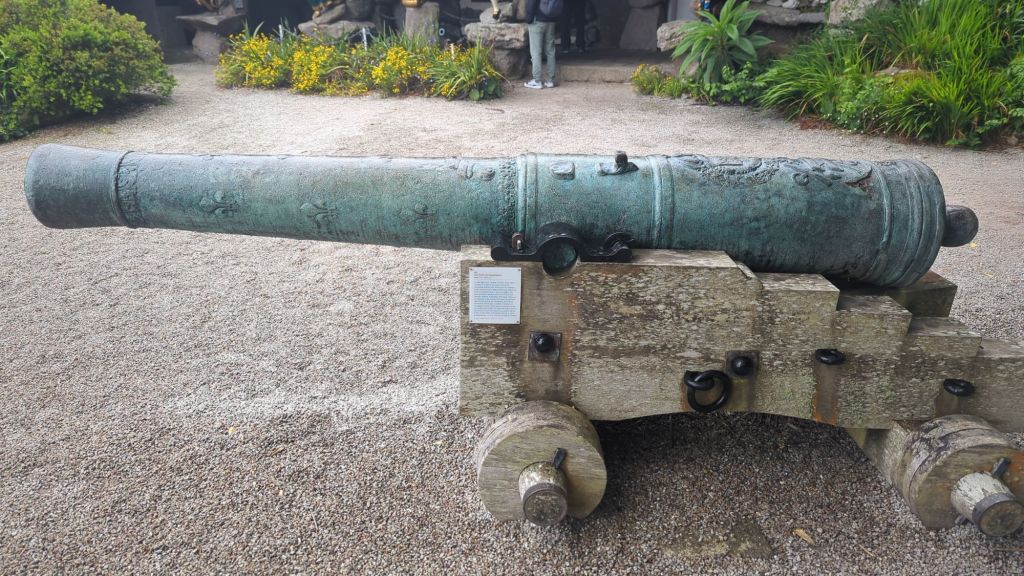
While on Tresco, we hiked along the coast to the ruins of a couple of forts. By the 1700s, the Scillies were regarded as a weak spot in England’s defences and work began to fortify the islands. Cromwell’s Castle has a round gun tower and is one of the few surviving Cromwellian forts in Britain. King Charles Castle is the remains of a Tudor artillery fort that was vigorously defended during the English Civil War and was blown up to prevent it from being taken.
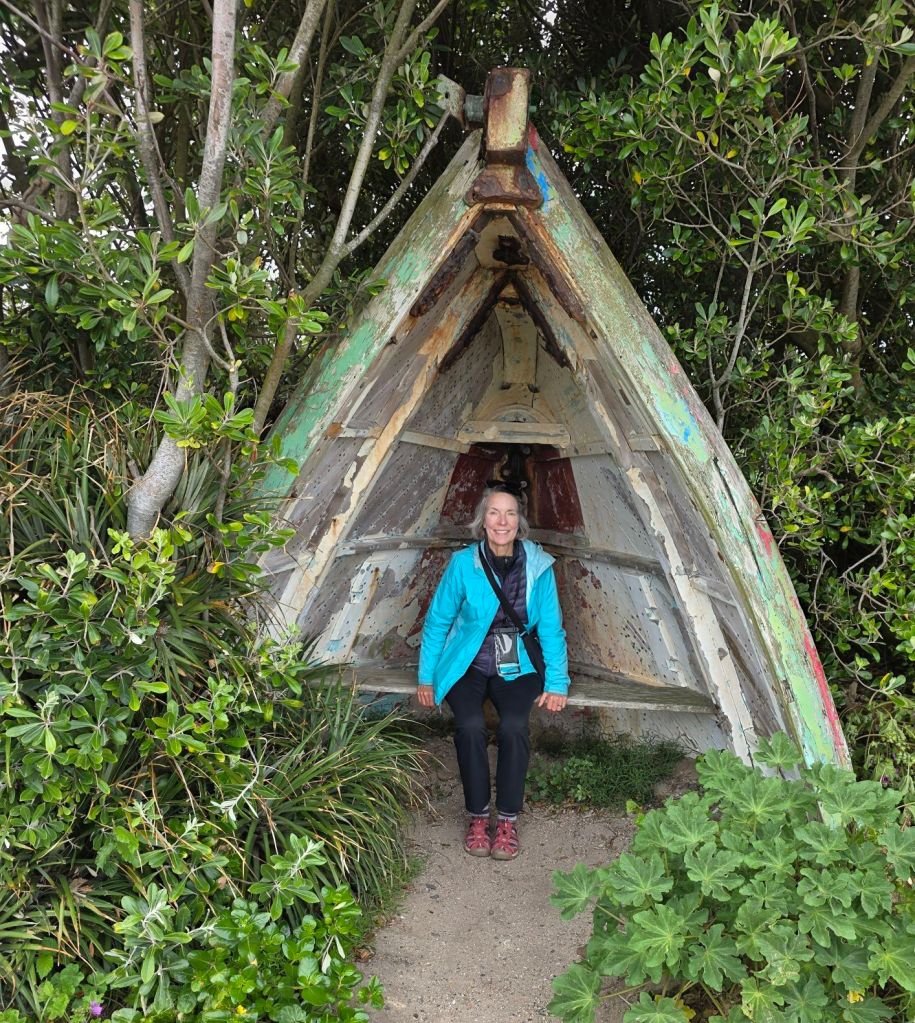
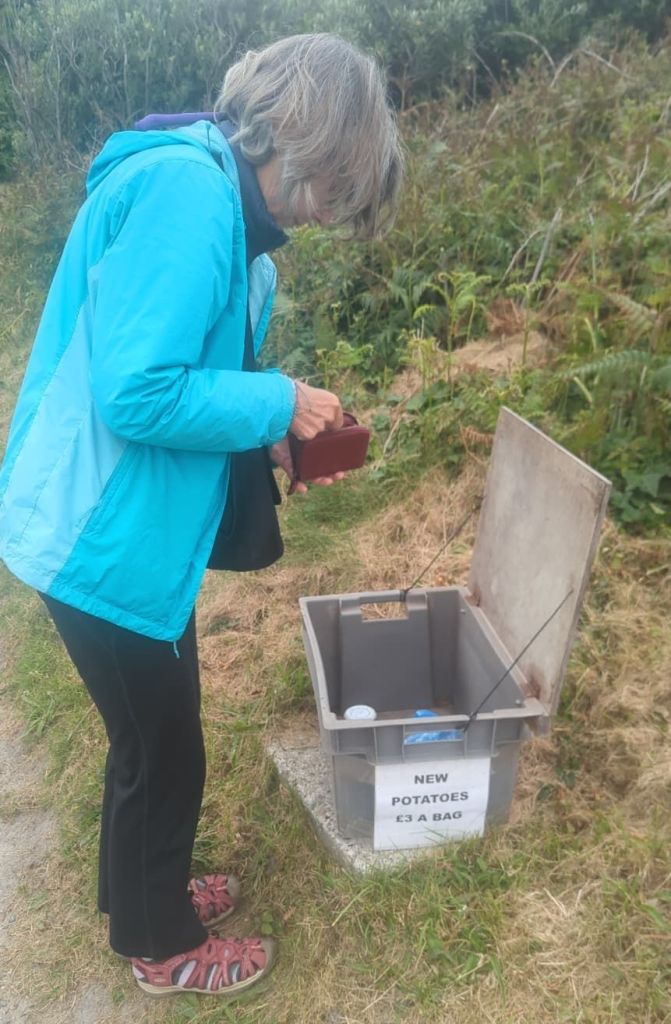
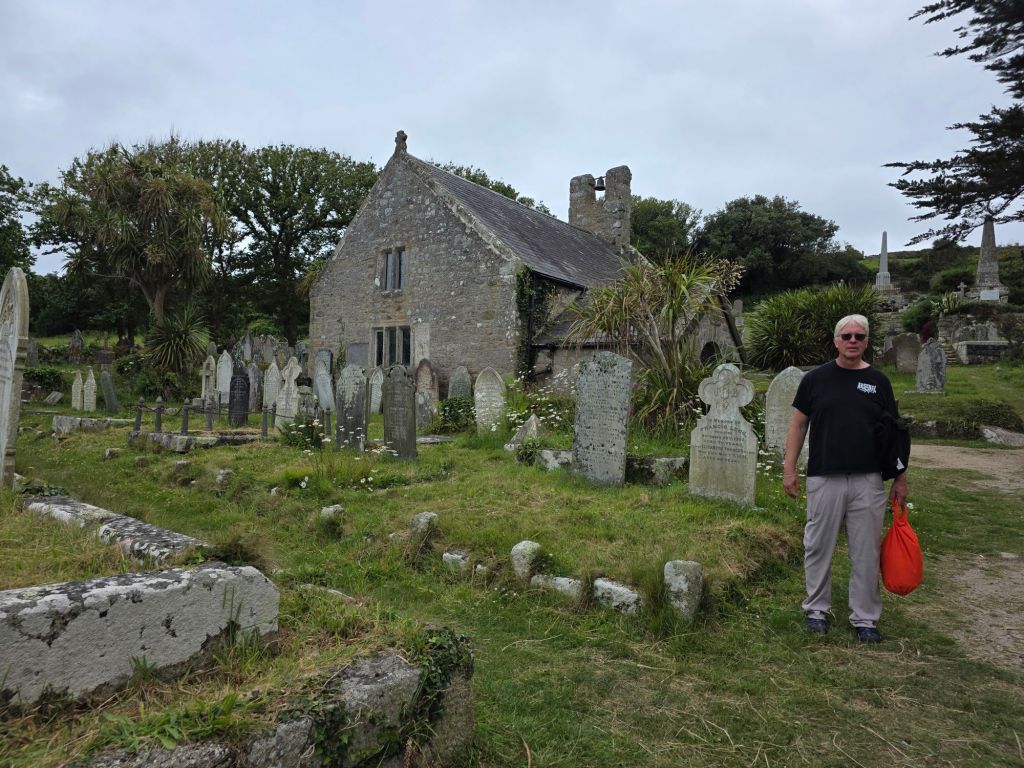
Back on Flight in St. Mary’s Pool, the wind had shifted and swell was entering the harbor which made life on board very rolly. We dinghied ashore to do some hiking using the All Trails app. We did a nice loop that included Harry’s Walls, an unfinished Tudor artillery fort overlooking St. Mary’s Pool where Flight and many other boats were moored. Here are some scenes from around the island.
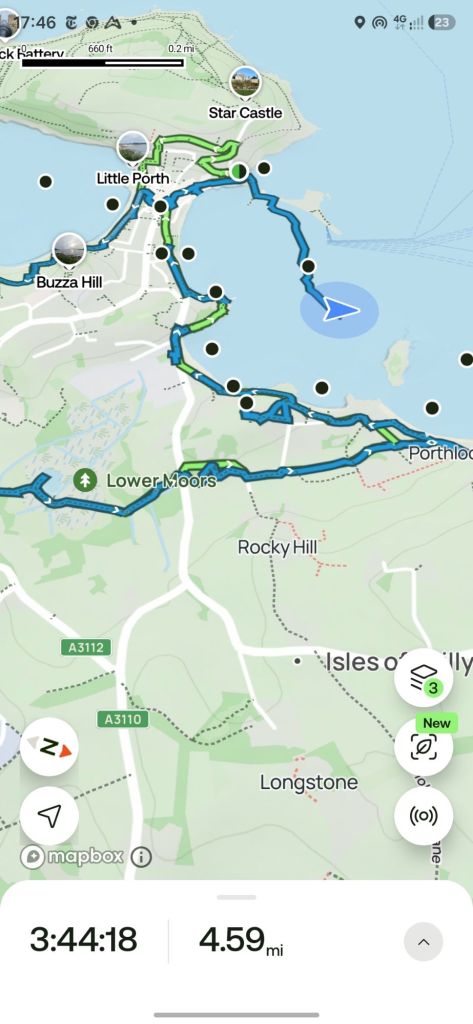
I forgot to turn off tracking in All trails when we headed back to the boat and the resulting image is rather comical. The tracked trail continues onto the water.
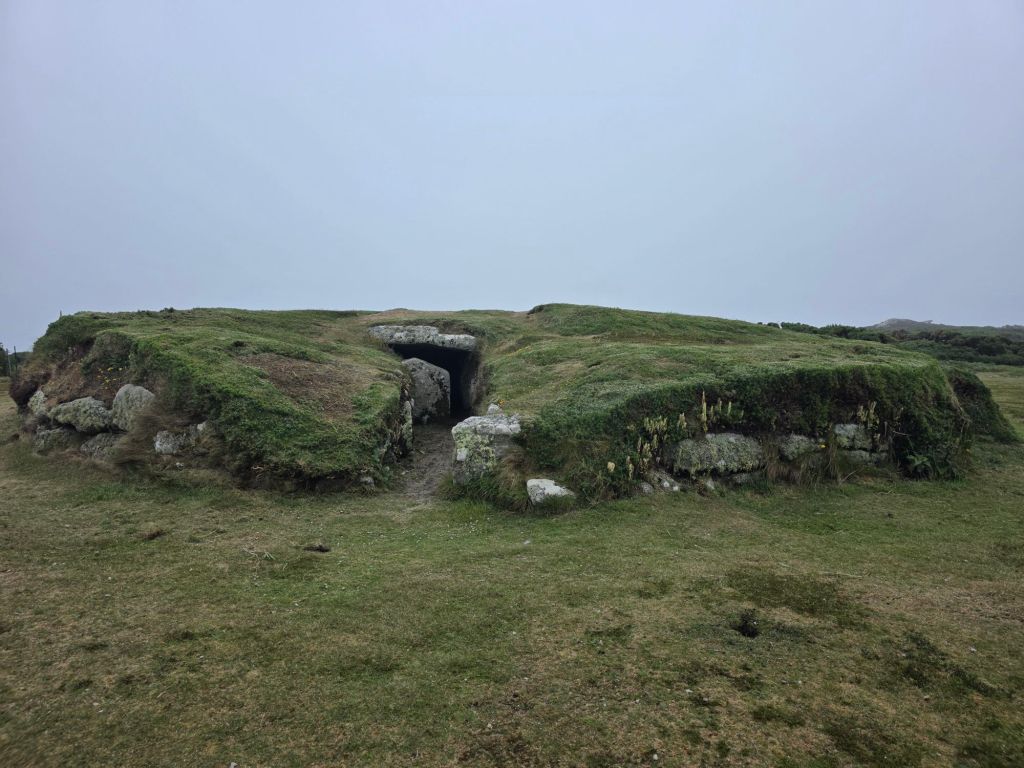
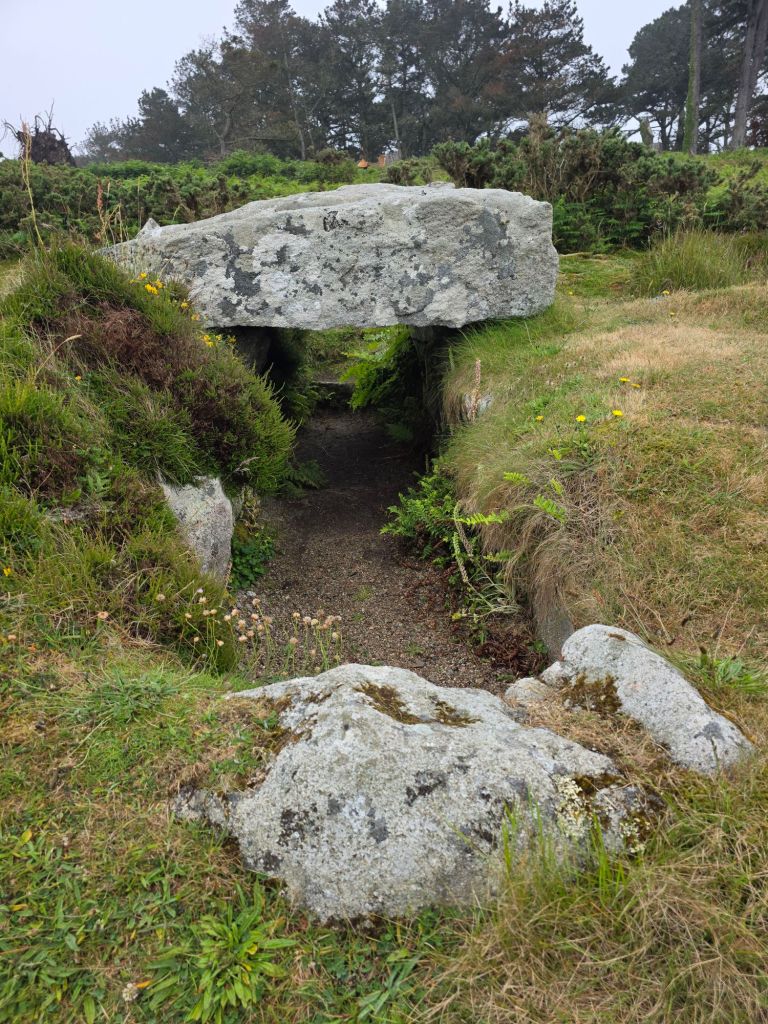
On our last day in Hugh Town, we went on a hike to see some of the Bronze Age burial chambers on the island. Again I used All Trails but since there were no routes for where I wanted to go, I used the app for the trails and GPS to find our way. About 4,500 years ago, a prehistoric culture flourished on the Scillies. Sea levels were lower and many of the islands were joined together. We visited the Porth Hellick Down Burial Chamber which was excavated in 1902 and a pumice pendant and pottery shards were found. The fact that no remains were found led the archeologists to believe that the site had been previously ransacked.
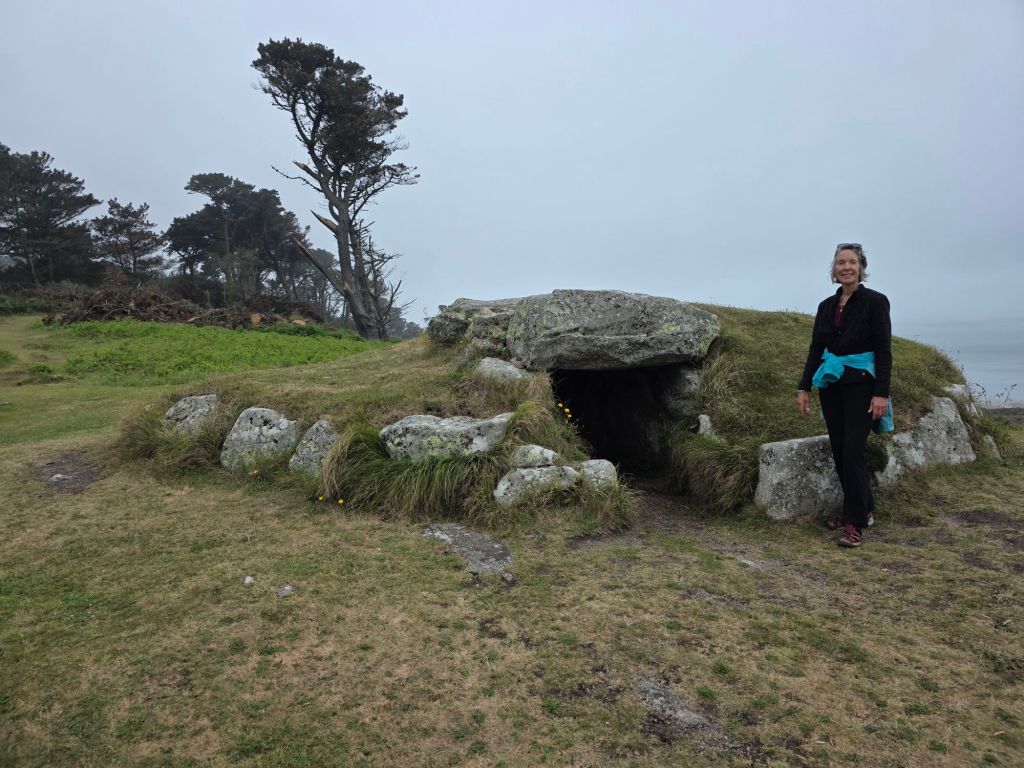
We also hiked to the Innisidgen Lower and Upper Burial Chambers which were much smaller. According to the plaque, “There are as many as 80 prehistoric chambered tombs known on the Isles of Scilly, but this one is the best preserved. They are generally of the form known as ‘entrance graves’ and date from the Neolithic or early Bronze Age.
The Isles of Scilly are known for their sunny weather, but we have had nothing but clouds, fog and drizzle the whole time that we’ve been here with the exception of our arrival day. Tomorrow, we’re headed for Dublin Ireland which we anticipate will take approximately 48 hours of sailing.
 Nautical Nomads